

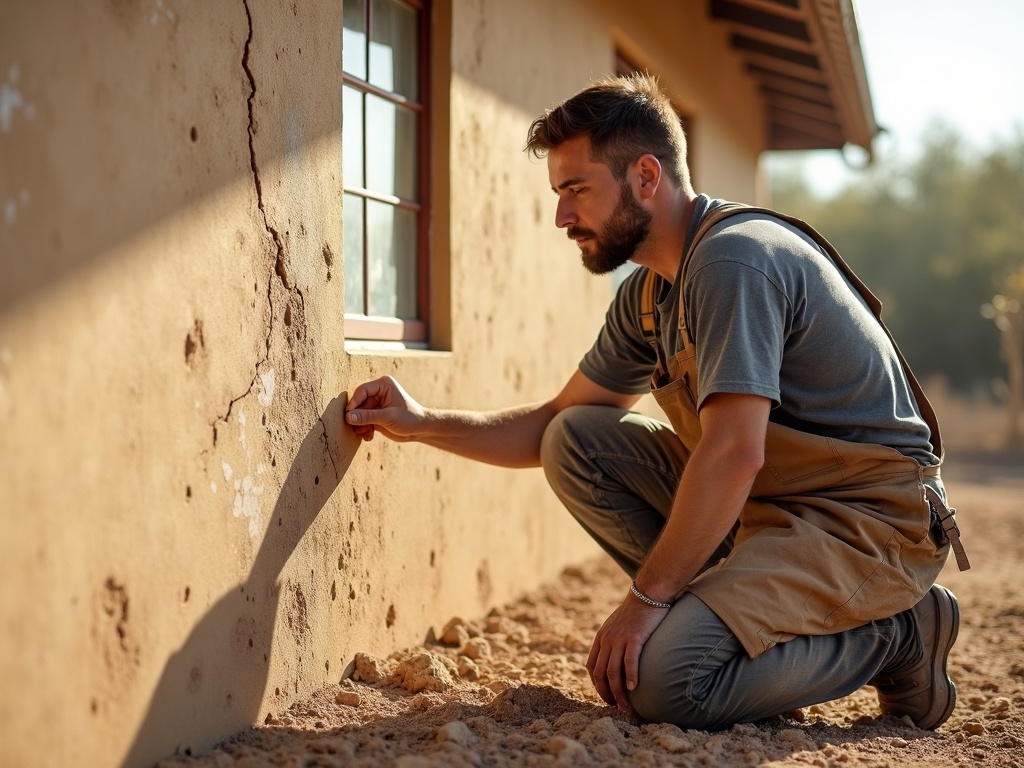
Hey — Ashley here, and I’ll be honest: I had no idea what Stucco Hollow Spots even were until I knocked on my exterior wall one afternoon and heard the most unsettling hollow thud. My neighbor (a total pro at this stuff) looked at me and said, “Girl, you need to call a stucco specialist.” That sent me down a rabbit hole — and what I learned genuinely surprised me. If you own a home in Phoenix or anywhere across the Valley, this one’s for you. We at FHR Stucco see this every single week, and catching it early is everything.
Why Stucco Fails From the Inside Out
Here in Phoenix, stucco looks solid — and most of the time it is. But Arizona’s brutal temperature swings and monsoon moisture create a sneaky problem: water finds microscopic cracks, slips behind the finish coat, and starts working quietly against the wall’s structure. Picture this — your exterior looks perfectly fine from the street, but behind that smooth surface, moisture is sitting against your sheathing, slowly rotting wood framing or feeding mold. That’s stucco failing from the inside out, and it’s far more common than most homeowners realize.
Stucco soft spots are the early warning sign. The surface feels slightly spongy underfoot (on lower sections) or gives just a tiny bit when you press firmly. Left alone, soft spots grow — and what costs a few hundred dollars to fix today can turn into a full-wall replacement by next monsoon season.
The Tap Test: Your Best Free Diagnostic Tool
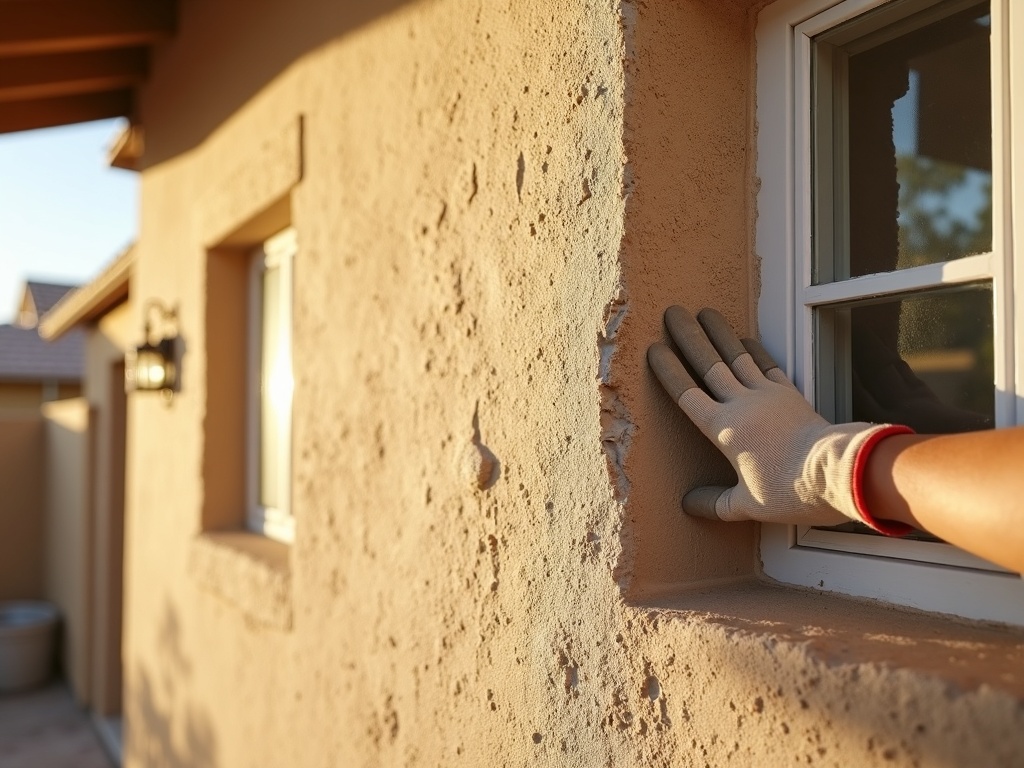
Notice how a healthy stucco wall sounds almost like tapping on solid concrete — a crisp, high-pitched knock? Now imagine tapping a spot where the stucco has separated from its base coat or lath. The sound drops to a dull, hollow thud. That’s the stucco tap test, and it costs exactly nothing to do.
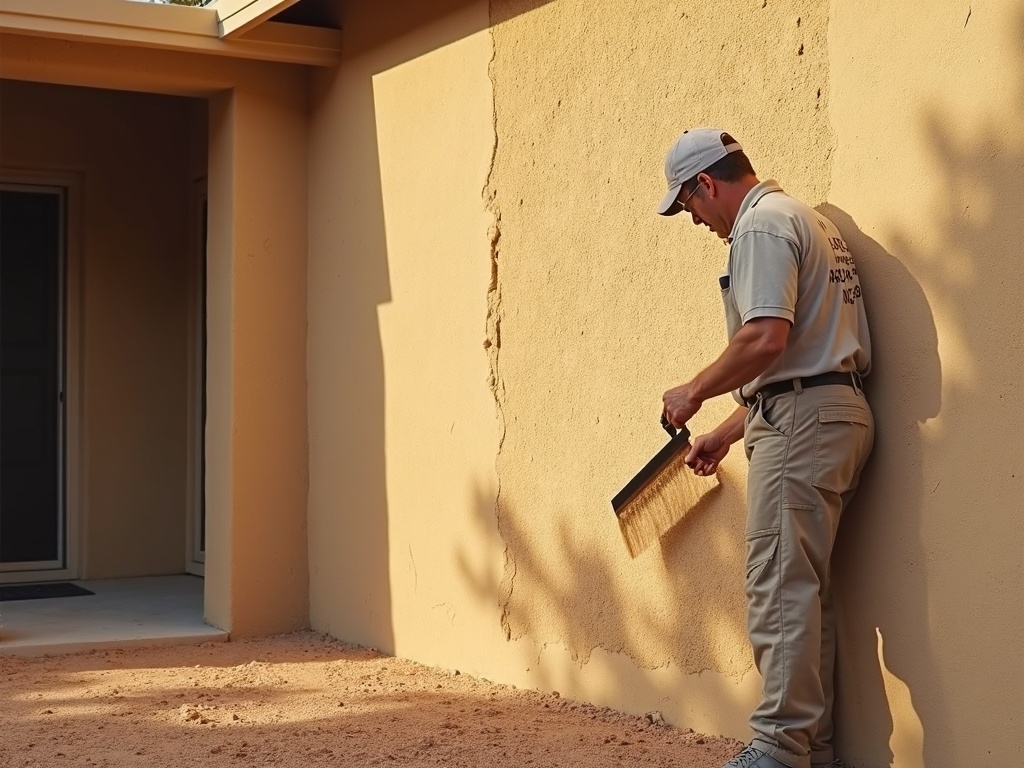
Here’s how to do it yourself before you call anyone:
- Use your knuckles or a small rubber mallet — tap in a grid pattern across suspect areas, about six inches apart.
- Listen for the change in tone — solid sounds bright and sharp; Stucco Hollow Spots sound dull, dead, or slightly echoey.
- Mark the hollow zones — a piece of painter’s tape works perfectly. Map out how far the hollow area extends in every direction.
- Check around windows, rooflines, and hose bibs — these are the highest-risk entry points for water in Phoenix homes.
- Do it in the morning — Arizona afternoon heat distorts the surface and makes results less reliable.
A hollow sound doesn’t always mean catastrophic damage — but it always means something has separated, and separated stucco is an open invitation for water.
We’ve walked homeowners through this process from Chandler to Scottsdale to Gilbert, and the tap test almost never lies. If you hear the hollow and see a crack nearby — even a hairline crack — assume moisture has been inside long enough to matter.
Other Signs That Confirm What the Tap Test Found
The tap test is your starting point, not the whole story. Pair it with a visual inspection and look for these red flags:
- Staining or discoloration — rust streaks (from corroding lath wire) or dark patches that reappear after rain.
- Bubbling or blistering finish — paint or finish coat lifting away from the base coat underneath.
- Efflorescence — that white chalky residue is mineral salt left behind when water moves through your wall and evaporates out.
- Visible cracks near hollow zones — diagonal cracks at window corners are especially telling in Mesa and Gilbert homes built in the 1990s boom.
Any one of these alongside a hollow sound? That’s not a handyman patch job. That’s a call to a dedicated stucco specialist. We’ve seen too many Phoenix homeowners spend money on a general contractor’s patch, only to call us six months later when the stain came back bigger. Stucco is all we do — and that focused experience is exactly why our repairs hold.
For a deeper look at everything we handle — from minor repairs to full re-stucco — browse our complete stucco services or learn more about our family-owned approach and 20-plus years in Arizona. You can also check the areas we serve across the Valley.
The EPA’s guidance on mold and moisture in building materials makes it clear: once water penetrates a wall system and finds organic material, mold can establish within 24 to 48 hours of sustained moisture. That’s not meant to scare you — it’s meant to show you why moving quickly on hollow spots pays off.
What Happens When We Diagnose and Repair Stucco Hollow Spots
When FHR Stucco comes out, we don’t just slap new material over the problem. We remove the failing section back to solid stucco, inspect what’s behind it, address any moisture damage to the sheathing or framing, and rebuild the coats properly — base coat, brown coat, finish — the way Arizona’s climate demands. Then we color-match to your existing exterior so the repair disappears.
Cost ranges vary based on how far the damage has spread: a localized hollow patch runs meaningfully less than a section where water reached the framing. We give you a straight honest assessment upfront — no surprise add-ons once the work starts. That’s what family-owned accountability looks like.
Imagine running your hand across your exterior wall after we’re done — smooth, solid, matching perfectly. No hollow thud. No soft give. Just stucco the way it’s supposed to feel. That’s the finish your home deserves, and it’s what every homeowner from Glendale to Scottsdale gets when they call a specialist instead of settling for a generalist.
Don’t wait for the next monsoon to make the decision for you. Call FHR Stucco at (480) 990-8333 today and let’s find out exactly what’s going on behind your walls — before it spreads.