
The first time you notice a crack snaking across your exterior wall, it’s easy to assume the worst. At FHR Stucco, we’ve fielded those calls from Phoenix homeowners for more than 20 years, and our honest answer is always the same: context matters. A true how serious is a stucco crack can range from a purely cosmetic hairline to a sign of serious moisture intrusion or structural movement — and telling them apart early is the single best thing you can do to protect your home and your budget.
Why Stucco Cracks in the First Place
Arizona’s climate is genuinely hard on exterior cladding. Temperatures across the Valley regularly swing 40-plus degrees between a summer afternoon and the same night. That daily thermal cycling puts relentless stress on stucco — and then monsoon season arrives and drives moisture into any opening that stress created. Even a well-applied, properly cured stucco system will develop minor surface cracking over time. The real question isn’t why it cracked. It’s what kind of crack you’re dealing with.
Structural vs. Cosmetic: The how serious is a stucco crack Classification That Actually Matters
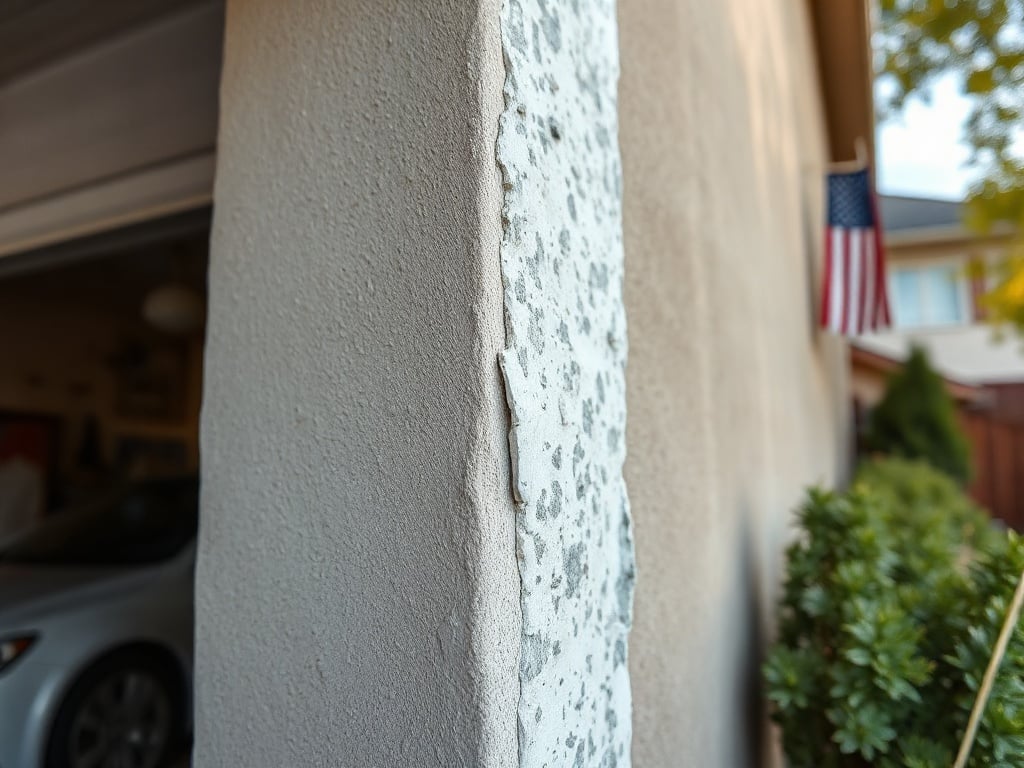
Understanding this distinction is the most important step before you pick up the phone. Here’s how we break it down on every inspection we run in Phoenix and across Maricopa County.
| Crack Type | Width | Pattern / Location | Urgency |
|---|---|---|---|
| Hairline / Shrinkage | Under 1/16″ | Random spider pattern, surface only | Low — monitor it |
| Moderate | 1/16″ – 1/4″ | Around windows, corners, control joints | Medium — repair soon |
| Structural / Serious | Over 1/4″ | Diagonal runs, stair-step, separation | High — call a specialist |
Crack width is your first data point. A standard credit card edge is about 1/32″ thick — if the crack is narrower than that, you’re likely looking at cosmetic shrinkage. Wider than a quarter-inch, or actively separating from one side to the other? That’s a different conversation entirely. The Portland Cement Association’s stucco guidelines are a useful independent reference for understanding how width and pattern map to severity.
Warning Signs That Tell Us a how serious is a stucco crack Is Serious

Width alone doesn’t tell the whole story. When we inspect homes in Scottsdale and Gilbert after monsoon season, we look at a combination of factors. These are the red flags that move a crack from the “keep an eye on it” column to the “call us today” column:
- Diagonal cracks from window or door corners — these often signal foundation settlement or framing movement, not surface shrinkage.
- Cracks wider than 1/4 inch — water will find these without hesitation during a monsoon downpour.
- Hollow sound when you tap the wall — stucco has debonded from the substrate and moisture has likely already gotten behind it.
- White chalky efflorescence below a crack — salt deposits mean water is actively moving through the wall system.
- Soft or spongy drywall on the interior wall — at that point, you’re looking at more than stucco; our water damage and leak restoration service may be part of the solution.
- A patch that keeps coming back — if a previous repair failed, there’s a root cause that surface filler will never address.
“A crack you can barely see today can let in enough water during one monsoon storm to rot the sheathing behind your stucco. The crack isn’t the problem — the water behind it is.”
— FHR Stucco, Phoenix Stucco Specialists
Do Hairline Cracks Need Repair Right Away?
Not always urgently — but never ignore them permanently. True hairline cracks under 1/16″ and limited to the color coat are extremely common on any Arizona home more than five years old. That said, thermal cycling widens them over time, and once they cross that 1/16″ threshold they start admitting moisture. Our Stucco & Drywall Care Guide walks through a simple annual inspection routine that catches these early — before a small problem becomes a costly one.
What FHR Stucco Does During a Stucco Inspection
When our crew arrives at your Phoenix home, we don’t just eyeball the surface and hand you a number. We sound the wall with a tapping survey to locate delamination, check flashing and caulking around every penetration — windows, hose bibs, electrical boxes — and assess whether the cracking pattern points to a surface issue or something deeper in the framing. If we find evidence of moisture intrusion, we’ll tell you honestly and recommend the right scope: a targeted residential stucco repair or, where the system needs to come off and be re-applied from the substrate out, a full stucco remediation.
The Real Cost of Waiting
Stucco damage compounds fast in the Arizona climate. Moisture that gets behind your cladding during July’s monsoons has all of August’s heat to fuel mold growth inside the wall cavity. By the time a home inspector flags it before a sale, what started as a repair is now a remediation — and the price reflects it. Here’s the simple action sequence we recommend:
- Spot the crack early — measure width, check for staining or hollow sound.
- Skip the off-the-shelf caulk; mismatched patches can trap moisture and look worse than the original crack.
- Call a dedicated stucco specialist — not a general handyman — for an honest assessment.
- Address the root cause, not just the surface symptom.
Stucco is all we do at FHR Stucco, and that focus is why our repairs hold up through Phoenix summers and Phoenix monsoons. Give us a call at (480) 990-8333 and let’s figure out exactly what you’re dealing with before it gets worse.